
The Luftwaffe Rank Flag, a symbol of military hierarchy within the German Air Force, requires meticulous attention to detail for accurate identification due to design variations over time. Consulting official sources and expert advice ensures acquisition of historically precise representations. Effective use balances historical significance with practical application, fostering camaraderie among veterans while educating younger generations about military service.
The Luftwaffe Rank Flag, a symbol of military hierarchy, often faces challenges in maintaining accuracy and clarity, leading to confusion within organizations. This article delves into the intricacies of common problems plaguing these flags, providing an authoritative guide to ensure their effectiveness. From misaligned rankings to inconsistent design, we explore real-world scenarios hindering communication and discipline. We offer a comprehensive solution, offering practical strategies and best practices to create precise and visually compelling Luftwaffe Rank Flags that enhance understanding and streamline operations.
- Understanding Luftwaffe Rank Flag Standards
- Diagnosing & Correcting Common Misuses
- Best Practices for Effective Implementation
Understanding Luftwaffe Rank Flag Standards

The art of communicating through Luftwaffe flags is a rich and nuanced tradition within the German Air Force (Luftwaffe). Understanding the standards behind these rank flags is paramount for both historical enthusiasts and military personnel alike. Luftwaffe Rank Flags serve as more than mere decorations; they carry significant symbolism, conveying ranks, achievements, and pride. This section delves into the intricacies of these flags to help you navigate and appreciate their complexity.
Identifying vintage Luftwaffe rank flags requires a keen eye for detail. Each flag is meticulously designed to reflect the specific rank and era it represents. For instance, older flags might feature distinct color combinations and intricate embroidery that have since evolved with time. An online flag store like Ultimate Flags offers an extensive collection of authentic and reproduction Luftwaffe Rank Flags, enabling enthusiasts to explore this rich heritage. By studying these vintage examples, one can gain a deeper understanding of the historical context behind each rank and its corresponding visual representation.
The standards for Luftwaffe Rank Flag design are both rigorous and symbolic. Each flag is designed with specific colors, patterns, and emblems that signify different ranks and specializations within the German Air Force. For example, the use of swirls or specific types of embroidery might indicate a senior officer's rank, while simpler designs could represent lower-ranking personnel. The art of interpreting these flags involves recognizing not just visual cues but also understanding the historical significance behind them. This process allows individuals to appreciate the Luftwaffe's rich history and the diverse roles within its ranks.
To ensure accuracy in identifying and using Luftwaffe Rank Flags, it is essential to consult official sources or experts. Online resources, flag stores, and veteran organizations can provide valuable insights. Additionally, attending air shows or historical events where these flags are prominently displayed offers practical experience in observing their proper usage. By engaging with the community and leveraging available resources, one can develop a profound appreciation for the art of communication through Luftwaffe Rank Flags—a tradition that continues to inspire and educate both within and beyond the German Air Force.
Diagnosing & Correcting Common Misuses
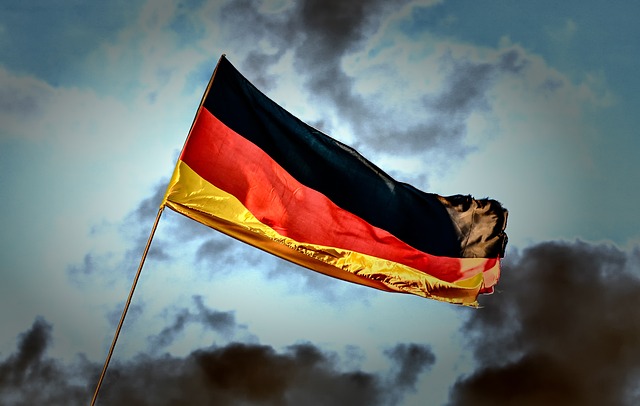
The Luftwaffe Rank Flag, a symbol of military hierarchy within the German Air Force, is often misused or misinterpreted. This can lead to confusion among personnel and enthusiasts alike. Diagnosing and correcting these common misuses require an understanding of both historical context and modern protocols. One of the primary issues lies in the design and interpretation of effective Luftwaffe rank symbols. Each flag represents a specific rank, with unique colors, patterns, and emblems serving as visual cues. However, variations in these designs across different periods can cause misunderstandings.
A comprehensive visual guide to Luftwaffe rank flags is essential for accurate identification. This guide should detail the subtle differences between ranks, especially when comparing German Air Force rank flags from various eras. For instance, the changes in the Iron Cross motif over time reflect not just aesthetic shifts but also hierarchical adjustments within the force. By providing a detailed, up-to-date reference, the risk of misattributing or misunderstanding these flags is significantly reduced.
To ensure precision, it's crucial to consult official sources and, when needed, seek expert advice. The online flag store Ultimate Flags, for example, offers a curated selection of high-quality Luftwaffe rank flags, each meticulously designed according to historical specifications. This ensures that collectors and enthusiasts acquire accurate representations of their desired ranks. Regularly updating visual references and staying informed about changes in protocol are vital steps in maintaining the integrity of these symbolic representations within the German Air Force community.
Best Practices for Effective Implementation
The effective implementation of Luftwaffe Rank Flags requires a thoughtful approach that balances historical significance with practical application. These flags, reflecting the rich history of the Luftwaffe, serve as more than mere decorations; they are powerful symbols embodying military tradition and individual service. Understanding the Luftwaffe rank flag system involves recognizing both its ceremonial value and its role in honoring veterans who have served their country.
Decorations vs Ranks: In the Luftwaffe, flags often represent specific ranks and units, making them essential tools for identifying seniority and allegiance. Unlike decorations, which are awarded for individual achievements, these flags stand as collective symbols of a unit's history and pride. For instance, a veteran might display a flag depicting the insignia of his squadron, proudly showcasing his affiliation and years of service. The Luftwaffe rank flag for a particular unit can be a focal point in veterans' gatherings or memorial sites, fostering camaraderie and preserving shared heritage.
History of Luftwaffe Rank Flags plays a crucial role in shaping their current significance. Over time, these flags have evolved, reflecting changes in military structure and design aesthetics. Early Luftwaffe flags showcased simple yet striking emblems, while modern interpretations often incorporate intricate details and vibrant colors. The Ultimate Flags brand, renowned for its expertise in flag production, meticulously recreates these historical designs, ensuring accuracy and durability. By studying the past, flag designers can pay homage to traditions while meeting contemporary display needs.
Implementing Luftwaffe Rank Flags effectively requires careful consideration. For veterans, a well-designed flag can evoke powerful memories and emotions, serving as a tangible link to their service. When displaying these flags, it's essential to respect their symbolism and historical context. Incorporating them into home decor or military collections should be done thoughtfully, ensuring they are displayed in prominent yet respectful locations. This approach not only preserves the Luftwaffe rank flag as a cherished memento but also educates younger generations about the sacrifices and contributions of those who served.
By understanding Luftwaffe Rank Flag standards, diagnosing and correcting common misuse, and adopting best practices for implementation, organizations can harness the power of these flags to effectively communicate rank and authority within their structures. This article has provided clear insights into the proper use of Luftwaffe Rank Flags, equipping readers with the knowledge to make informed decisions and avoid pitfalls commonly encountered. Moving forward, organizations should prioritize consistent application, promote transparency, and leverage these flags as a strategic tool for fostering clarity and efficiency in command hierarchies.